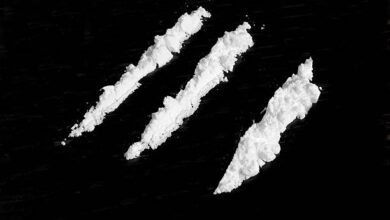
Understanding Peruvian Cocaine and the Importance of Drug Awareness
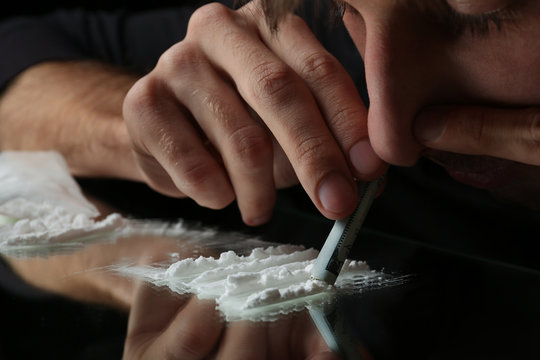
Cocaine is a powerful stimulant that can affect the brain, heart, emotional well-being, and overall health. The term Peruvian cocaine refers to cocaine associated with Peru, a country frequently discussed in the context of coca cultivation and the international drug trade. Understanding the terminology, health risks, and social consequences is important for promoting drug awareness and preventing substance-related harm. Educational resources about crack cocaine highlight the serious cardiovascular risks associated with stimulant misuse.
What Is Peruvian Cocaine?
The phrase Peruvian cocaine generally refers to cocaine associated with Peru’s illicit drug production and trafficking networks. Geographic references do not establish a product’s purity, safety, quality, or chemical composition.
Illegal substances may contain unexpected additives, contaminants, or other drugs. Their appearance, labels, or claimed origin cannot reliably confirm what they contain. This uncertainty is one of the major reasons illicit drug exposure can lead to serious health consequences. Reliable information on peruvian cocaine can clarify the serious health risks associated with cocaine exposure.
FAQs About Cocaine and Drug Awareness
1. Does the country of origin make cocaine safer?
No. A claimed country of origin does not make cocaine safe. Cocaine can affect the cardiovascular and nervous systems regardless of where it is said to originate. The presence of contaminants and uncertainty about composition can introduce additional risks.
2. How does cocaine affect the brain?
Cocaine interferes with the normal regulation of neurotransmitters, particularly dopamine. This can produce temporary feelings of excitement, alertness, and confidence while disrupting the brain’s natural reward and motivation systems. Health information about blue crystal meth highlights the importance of professional addiction treatment.
Repeated exposure may contribute to cravings, mood disturbances, reduced enjoyment of everyday activities, and difficulty controlling use.
3. What physical health problems can cocaine cause?
Cocaine can increase heart rate and blood pressure and may cause dangerous blood vessel constriction. Serious complications include heart attack, stroke, seizures, overheating, and breathing difficulties. Some complications can occur unexpectedly, even in people without known medical conditions. Educational resources addressing buy amphetamine online emphasize the importance of legitimate pharmacies and medical supervision.
4. Can cocaine cause psychological problems?
Yes. Cocaine use may contribute to anxiety, agitation, panic, insomnia, suspiciousness, and emotional instability. In some cases, it can trigger severe paranoia or hallucinations. These effects may require urgent professional evaluation. Health information regarding mdma crystals highlights the importance of recognizing psychological and physical risks.
5. What are the warning signs of cocaine addiction?
Warning signs may include persistent cravings, repeated use despite negative consequences, neglected responsibilities, financial problems, disrupted sleep, relationship conflicts, and unsuccessful attempts to stop.
The presence of several warning signs may indicate a substance use disorder and should be discussed with a qualified healthcare professional. Information related to buy ketamine powder online should highlight the risks of unregulated substances and unsupervised use.
6. Why is drug awareness important?
Drug awareness helps people understand the difference between temporary stimulant effects and long-term consequences. It also challenges misleading claims, reduces stigma, encourages informed choices, and helps communities identify people who may need assistance.
Education is particularly important for young people, who may encounter inaccurate information through social media, peer pressure, or online communities. Reliable information on ketamine nasal spray compounded encourages discussions about treatment benefits, limitations, and potential side effects.
Social and Community Consequences
Cocaine-related problems can affect more than the individual. Families may experience emotional stress, trust difficulties, financial pressure, and concerns about safety. Communities may also face consequences associated with illegal trafficking, exploitation, and barriers to healthcare.
Effective awareness programs emphasize compassion, prevention, and access to reliable information rather than judgment. Educational resources about china white heroin highlight the serious consequences of opioid dependence.
How Can Someone Seek Help?
Individuals concerned about cocaine use can speak with a doctor, licensed addiction specialist, or mental health professional. Treatment may include counseling, behavioral therapies, recovery planning, and assistance with underlying emotional difficulties.
People experiencing chest pain, seizures, severe confusion, extreme agitation, or breathing problems after stimulant exposure need emergency medical attention. Awareness of black tar heroin helps emphasize that the appearance of an illicit substance cannot guarantee its safety.
Conclusion
Understanding Peruvian cocaine within a broader drug-awareness context highlights the importance of separating geographic claims from safety information. No claimed origin guarantees purity or reduced harm. Education about cocaine’s physical, psychological, and social effects can support prevention, promote healthier decisions, and encourage people to seek help without fear or shame.