Best Gold Detector Reviews: Performance and Accuracy Tested
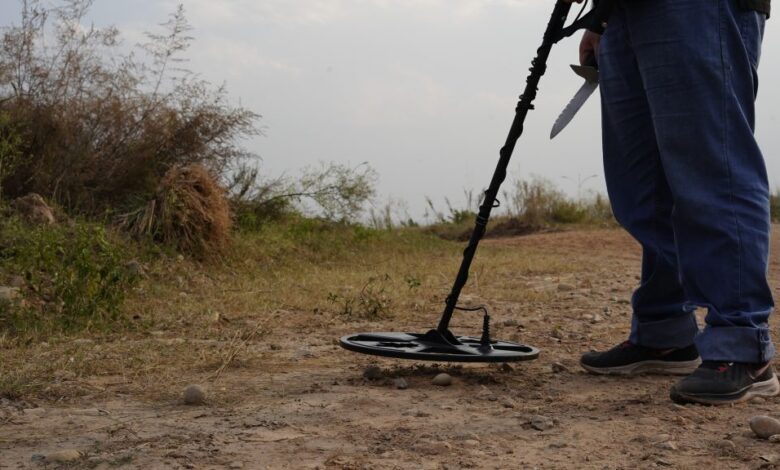
Gold prospecting has evolved over the years, moving beyond simple panning to advanced electronic detection. Whether you are an experienced treasure hunter or just starting your journey, choosing the right gold detector can make all the difference. The market today is filled with a wide range of models, but finding a detector that delivers reliable performance and high accuracy requires thorough research and real-world testing.
This comprehensive review examines some of the best gold detector machines available in 2025, focusing on their performance, accuracy, build quality, and user experience. Our detailed insights aim to help you make an informed decision about which detector best suits your needs.
Introduction
Gold detection requires more than just a basic metal detector. The devices designed specifically for gold prospecting are equipped with advanced features such as high-frequency operation, ground balancing, and sensitivity to small gold particles. The detectors reviewed here have been tested across varied terrains, including mineralized soils, riverbeds, and rocky environments, to evaluate their performance in real-life conditions.
When choosing a gold detector, key factors include depth detection, target discrimination, ease of use, and durability. We have prioritized these factors in our reviews to provide a clear comparison of each model’s strengths and limitations.
Key Factors in Evaluating Gold Detectors
Before diving into individual reviews, it is essential to understand the criteria we used to evaluate each machine’s performance and accuracy.
1. Detection Depth
The ability to detect gold nuggets buried at varying depths is critical for effective prospecting. High-frequency detectors often excel in shallow targets but may struggle with deeper nuggets, while pulse induction (PI) detectors generally penetrate deeper into mineralized ground.
2. Accuracy and Target Discrimination
Accuracy refers to how well the detector can differentiate between gold and other metals such as iron or aluminum. Effective discrimination minimizes false signals, saving time and effort.
3. Ground Balancing
Gold-rich terrains often contain heavy mineralization that can interfere with detection. A quality detector must offer automatic or manual ground balancing to adapt to soil conditions for consistent results. A best gold detector will significantly boost your chances of success in gold prospecting.
4. Ease of Use
While advanced detectors come with numerous settings, user-friendly controls and intuitive displays make them accessible to both beginners and experienced prospectors.
5. Durability and Weather Resistance
Gold prospecting often involves challenging environments. We considered build quality, waterproofing, and ergonomic design to assess each detector’s resilience in different terrains.
Best Gold Detectors of 2025: Detailed Reviews
1. Minelab GPX 6000
Performance:
The Minelab GPX 6000 is one of the most advanced gold detectors available, designed specifically for serious prospectors. It utilizes GeoSense-PI technology to offer exceptional depth detection and sensitivity to small gold nuggets.
Accuracy:
The GPX 6000 excels in distinguishing gold from mineralized soils, reducing false signals. Its automatic ground balancing and noise-canceling features provide a smooth detecting experience in harsh terrains.
Features:
- Pulse induction technology
- Automatic ground balance
- Lightweight design for extended use
- Wireless audio and long battery life
Pros:
- Exceptional depth and small-nugget sensitivity
- Ideal for challenging, mineralized soil
- High accuracy and stable performance
Cons:
- Premium price point
- Slight learning curve for beginners
2. Garrett Axiom
Performance:
The Garrett Axiom is a highly capable gold detector, especially valued for its Ultra-Pulse technology that delivers deep detection even in mineralized ground.
Accuracy:
It offers precise target identification and minimal interference, allowing users to focus on genuine gold signals rather than unwanted debris.
Features:
- Lightweight and rugged construction
- Rechargeable lithium-ion battery
- Advanced ground balance system
- Waterproof search coil
Pros:
- Reliable depth detection
- User-friendly interface
- Strong battery performance
Cons:
- Higher cost compared to entry-level detectors
3. Fisher Gold Bug 2
Performance:
Known for its 71 kHz operating frequency, the Fisher Gold Bug 2 is highly sensitive to small gold flakes and nuggets. This makes it particularly effective in areas where gold deposits are fine and shallow.
Accuracy:
The detector’s iron discrimination is excellent, reducing unnecessary digging in trash-filled areas. However, it is less effective at extreme depths compared to PI-based detectors.
Features:
- Lightweight and ergonomic
- Manual and automatic ground balance
- High-frequency operation for small targets
- Affordable price for beginners
Pros:
- Exceptional sensitivity to small gold
- Lightweight and portable
- Budget-friendly compared to high-end models
Cons:
- Limited depth detection
- Less suitable for highly mineralized soil
4. XP Deus II
Performance:
The XP Deus II is a versatile detector that works well for gold prospecting, relic hunting, and coin detection. Its multi-frequency technology allows it to adapt to different targets and terrains effectively.
Accuracy:
It delivers excellent discrimination capabilities and reliable detection of medium to large gold nuggets, making it a great all-around detector.
Features:
- Fully wireless design
- Waterproof up to 20 meters
- Multiple detecting modes
- Lightweight and durable
Pros:
- Adaptable to various detecting activities
- Excellent wireless performance
- Durable and submersible
Cons:
- Less sensitive to very small gold nuggets
- Higher price for non-specialist gold use
5. Nokta Legend Pro
Performance:
The Nokta Legend Pro combines multi-frequency detection with robust waterproof construction, making it a strong contender for both land and water gold prospecting.
Accuracy:
It has reliable ground balance settings and an intuitive interface, providing consistent performance in moderately mineralized soils.
Features:
- IP68 waterproof rating
- Advanced discrimination settings
- Rechargeable battery
- Competitive pricing for its feature set
Pros:
- Excellent value for money
- Solid waterproof build
- Easy to use for beginners
Cons:
- Moderate sensitivity to tiny gold pieces compared to specialist models
Comparison Table: Performance at a Glance
| Detector Model | Depth Detection | Sensitivity to Small Gold | Waterproof Capability | Ease of Use | Price Range |
| Minelab GPX 6000 | Excellent | Excellent | Yes (Coil) | Moderate | High |
| Garrett Axiom | Excellent | Very Good | Yes (Coil) | Easy | High |
| Fisher Gold Bug 2 | Fair | Excellent | Limited | Easy | Budget-Friendly |
| XP Deus II | Very Good | Good | Fully Waterproof | Moderate | High |
| Nokta Legend Pro | Good | Good | Fully Waterproof | Easy | Mid-Range |
Tips for Choosing the Best Gold Detector
- Define Your Prospecting Area: Choose a detector suited for the terrain you will be searching, such as mineralized soil or riverbeds.
- Consider Target Size: High-frequency detectors are better for small nuggets, while PI detectors perform best for deep, larger gold targets.
- Budget Wisely: While high-end detectors offer advanced features, mid-range models can be effective for casual prospectors.
- Check for Durability: Waterproof and rugged designs are essential for outdoor exploration.
Conclusion
The best gold detector depends on your prospecting needs, environment, and experience level. The Minelab GPX 6000 stands out for its top-tier sensitivity and depth, making it ideal for professional hunters. The Garrett Axiom offers excellent performance in mineralized soils, while the Fisher Gold Bug 2 remains a cost-effective choice for beginners seeking small nuggets.
Investing in the right gold detector will significantly increase your chances of success, reduce time wasted on false targets, and enhance your overall gold prospecting experience. Our reviews highlight machines that combine performance, accuracy, and durability, ensuring you have the tools needed to achieve rewarding results in the field.