Tips for Finding More Gold with a Gold Detector
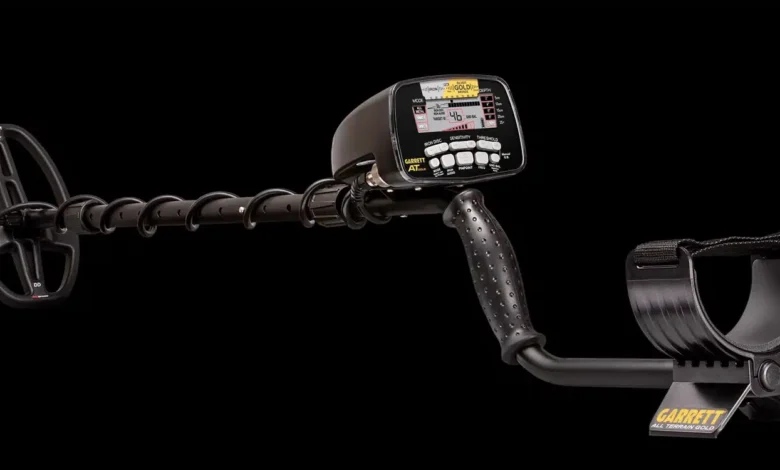
Gold prospecting is an exciting adventure, but success requires more than just owning a gold detector. Even the most advanced detectors cannot guarantee a find without the right techniques, preparation, and knowledge. Whether you are a beginner or an experienced prospector, applying practical tips can significantly increase your chances of finding gold.
This article provides essential tips for using a gold detector effectively and maximizing your results, followed by frequently asked questions for quick reference.
1. Choose the Right Detector for Your Needs
Not all gold detectors are created equal. Selecting a detector that matches your target size, soil type, and location is crucial.
- VLF Detectors: Best for small nuggets and light mineralized soil.
- Pulse Induction (PI) Detectors: Ideal for deep targets and highly mineralized ground.
- Multi-frequency Detectors: Versatile for both gold nuggets and coins.
Choosing the right tool ensures higher accuracy and less frustration.
2. Research and Select Gold-Bearing Locations
Your success often depends on where you search:
- Look for historical gold fields or mining areas.
- Check riverbeds, creeks, and dry washes, where gold often accumulates.
- Study geological maps to identify quartz veins and mineral-rich soils.
Even a high-tech detector won’t perform well in areas with no gold history. For those serious about prospecting, this site’s recommended gold detector offers advanced features at a competitive price.
3. Learn Proper Detector Settings
Every detector has adjustable settings that impact performance:
- Ground Balance: Adjust to match mineralized soil.
- Sensitivity: Increase for smaller gold, reduce in high-mineralization areas to avoid false signals.
- Threshold: Maintain a soft hum to hear faint signals.
- Discrimination: Minimize when hunting for raw gold; avoid filtering out potential targets.
Proper setup prevents missed targets and false readings.
4. Use Correct Search Techniques
How you move your detector affects detection:
- Sweep slowly and evenly, overlapping each pass.
- Keep the coil close to the ground.
- Pause on weak signals to allow the detector to fully register targets.
- Use pinpoint mode to accurately locate the center of the target before digging.
Technique often matters as much as technology in gold hunting.
5. Dig Carefully and Methodically
Once a target is detected:
- Use a small shovel or scoop to remove soil incrementally.
- Scan each removed layer with your detector to ensure nothing is missed.
- Check surrounding areas, as gold nuggets often appear in clusters.
Rushing or careless digging can result in lost finds.
6. Hunt in the Right Conditions
Environmental factors can improve your chances:
- Search after rainfall, when water can expose gold.
- Avoid overly dry or compact soil, which reduces detector efficiency.
- Work during daylight and safe weather conditions.
Timing and conditions can influence your success significantly.
7. Practice and Patience
Gold prospecting is not an instant success game:
- Spend time practicing in controlled areas to understand signals.
- Be patient; even small finds improve skills over time.
- Document your locations and results for future reference.
Experience and persistence are key to finding gold consistently.
8. Maintain Your Equipment
A well-maintained detector performs better:
- Clean the coil and detector after every session.
- Check cables, connections, and battery levels.
- Store properly to avoid damage.
Regular maintenance ensures consistent and reliable detection.
9. Use Accessories Wisely
Helpful tools include:
- Pinpointers for faster and more precise digging.
- Protective headphones to hear faint signals.
- Extra coils for different terrains or target sizes.
The right accessories make detecting more efficient and enjoyable.
10. Respect Local Laws and Landowners
Always check regulations before prospecting:
- Obtain permission for private land.
- Follow national or regional gold prospecting laws.
- Avoid protected areas.
Ethical and legal prospecting ensures long-term access and avoids penalties.
Frequently Asked Questions (FAQs)
1. Can I find gold everywhere with a detector?
No. Gold detectors only locate metal. Researching gold-bearing areas increases your chances significantly.
2. Do expensive detectors guarantee more gold?
Not necessarily. Detector technology helps, but location, technique, and patience are equally important.
3. Should I use discrimination when hunting for gold?
Minimal discrimination is recommended; filtering too much may ignore valuable targets.
4. How deep can detectors find gold?
Depth depends on detector type, coil size, soil mineralization, and target size. PI detectors generally detect deeper than VLF.
5. Can I detect gold in rivers or wet soil?
Yes. Some detectors are waterproof and designed for wet environments, making them effective in rivers and creeks.
6. How can I increase my chances of finding small nuggets?
Use high-frequency VLF detectors, slow and overlapping coil swings, and proper ground balance.
7. How important is patience in gold detecting?
Extremely important. Many finds come after hours or repeated visits to the same location.
8. Do I need special accessories?
Accessories like pinpointers, waterproof headphones, and extra coils enhance efficiency but are not mandatory.
Conclusion
Finding more gold with a detector is a combination of choosing the right equipment, researching the location, mastering proper techniques, and exercising patience. By understanding your detector’s features, adjusting settings correctly, and practicing consistently, you can significantly improve your gold-hunting success.
Using these tips, combined with careful planning and ethical prospecting, will help make your gold-detecting trips both rewarding and enjoyable.